
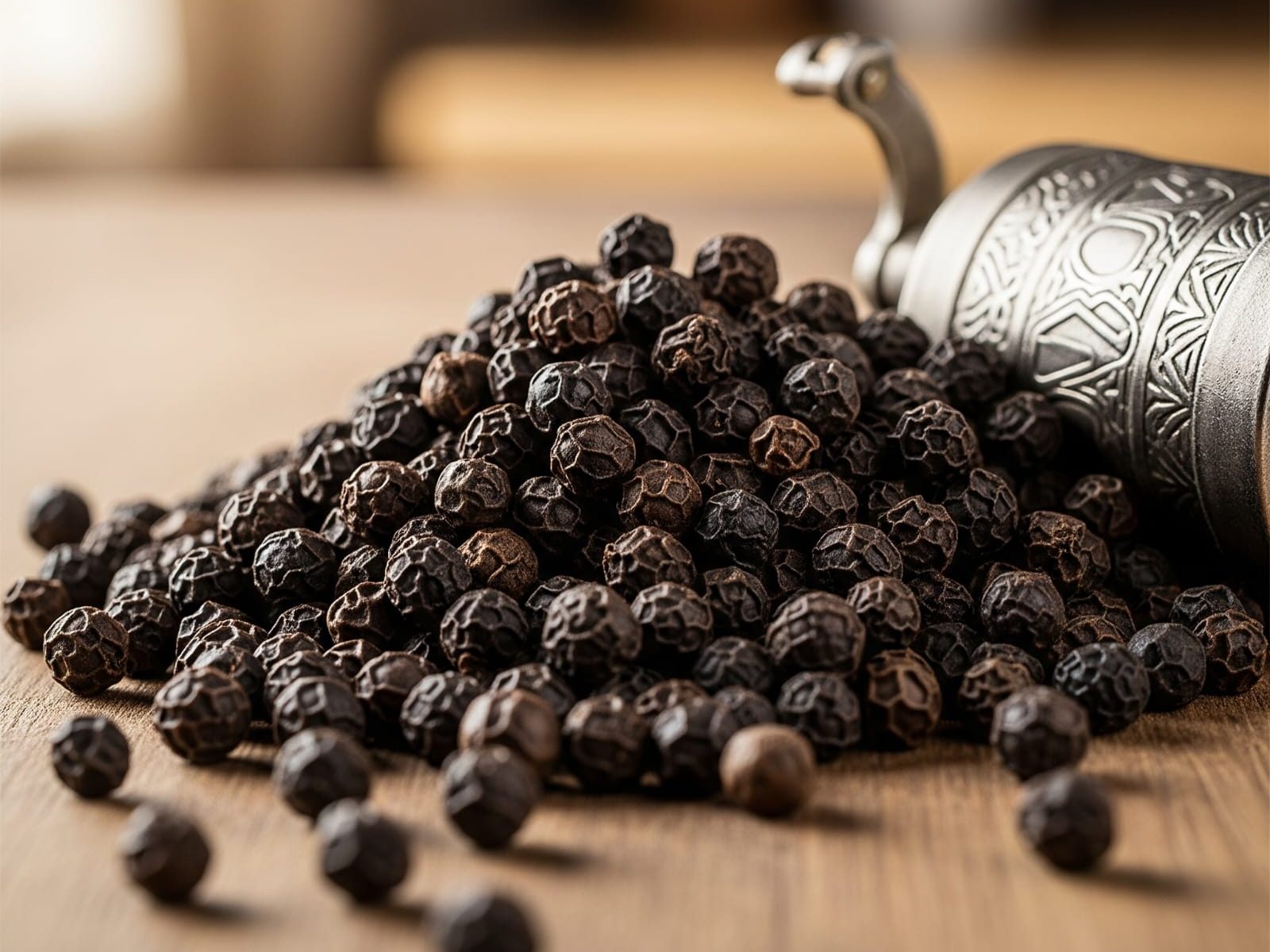
The global black pepper market is experiencing a significant shift in 2025, marked by a notable surge in prices. This upward trend is primarily driven by a supply-demand imbalance, with declining global production failing to keep pace with steady and, in some segments, rising consumption. Market reports and forecasts point to a volatile but profitable year for producers, while importers and consumers face higher costs.
Price Trends: A Reflection of Supply Constraints
Throughout 2025, black pepper prices have risen to unprecedented levels. This is a direct consequence of a global supply crunch. Several key factors are contributing to the limited supply:
1. Declining Global Production: For the fourth consecutive year, global pepper production is expected to decline. This trend is largely due to adverse weather conditions, such as unseasonal rains and prolonged droughts, in major producing countries.
2. Shifting Crop Focus: In many regions, particularly Vietnam, farmers are shifting from pepper to more lucrative crops like coffee and durian. This has reduced the planted area and overall output of pepper.
3. Low Inventories: Years of underproduction have resulted in significantly low inventory levels worldwide. This means there’s little buffer stock to absorb supply shocks, making the market highly sensitive to any production shortfalls.
As a result, prices are experiencing a sharp upward trajectory. While there might be minor fluctuations, the overall trend is clear: the cost of black pepper is likely to remain high throughout the year.
Demand Trends: Stable and Expanding
Despite the rising prices, global demand for black pepper remains robust, driven by its versatile applications across various industries.
– Culinary and Food Industry: Black pepper continues to be a staple spice in households and the foodservice sector. Its role as a fundamental flavor enhancer in a wide range of cuisines ensures a stable baseline demand.
– Health and Wellness: Consumers are increasingly aware of the health benefits of black pepper, such as its antioxidant and anti-inflammatory properties. This has fueled demand in the functional food and nutraceutical sectors.
– Industrial and Non-Food Applications: The spice is also seeing increased use in the pharmaceutical, cosmetics, and personal care industries. Its medicinal properties make it a valuable ingredient in therapies and beauty products.
– Emerging Markets: Demand is particularly strong in Asia-Pacific, led by major importers like China, which has resumed large-scale purchases after a period of lower activity. Europe and the U.S. also maintain steady demand, driven by consumer preferences for natural ingredients and ethnic cuisines.
The combination of limited supply and resilient, even expanding, demand from these key segments creates strong market pressure for continued price hikes.
Key Market Players and Their Roles
The market dynamics are heavily influenced by the major producing and importing nations.
1. Producing Countries:
– Vietnam: As the world’s largest producer and exporter, Vietnam’s harvest is a primary determinant of global prices. Lower-than-expected yields in 2025 have been a key driver of the price surge.
– Brazil, Indonesia, and India: These countries, also major producers, have likewise been affected by climate challenges and shifting agricultural priorities, further tightening the global supply.
2. Importing Regions:
– United States and European Union: These regions are consistently major importers, with their demand stabilizing the market.
– China: The renewed and strong purchasing activity from China is a critical factor supporting the current high prices.
In conclusion, the black pepper market in 2025 is defined by a significant price increase driven by a structural supply deficit. While this poses challenges for buyers, it also presents a lucrative environment for producers. The market’s future remains sensitive to weather patterns, agricultural policies, and global economic stability, all of which will shape its trajectory for the remainder of the year and beyond.